


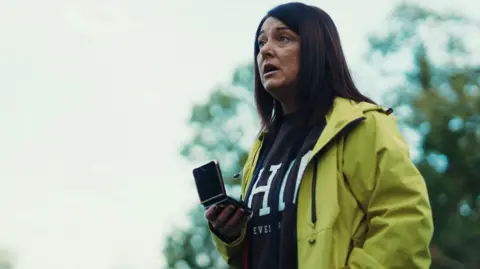
While conducting an discussion near a public park in the town, a woman approached.
Might I question why you’re allowing these people to use this public space?” she questioned while recording the interaction on her smartphone.
The individual we were speaking with for our documentary was residing in a close refugee accommodation, where heated rallies had been taking place since the warmer months.
The woman claimed that individuals from the hotel had been following local children, and demanded that we move our interview somewhere else.
At that moment, a group of asylum seekers who we were unaware of engaging in sports in the vicinity appeared over the hill.
She warned me it was my doing they were there and if “any incident occurs here, you’re responsible.”
The woman uploaded her footage to the online platforms. It was watched millions of times after being distributed by political activists.
She was celebrated as a hero for defending local residents.
I was bombarded with threats and warned that I should leave Falkirk.
I don’t believe that my discussion with this person, who afterwards changed his mind its use, posed any risk.
But this encounter, and its repercussions, gave me likely the clearest insight yet into the concern some within the town – and further afield – have about refugees in their local areas.
Community Issues and Rallies
There are about over six thousand people applying for refuge in the region, many of whom came via vessels across the sea.
About a fourth live in temporary accommodations while the UK government determines whether to give them sanctuary.
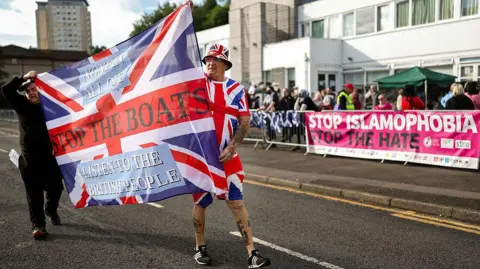
We’ve spent the last few weeks recording at demonstrations against the hotels around the nation.
In Falkirk, there are more than over eleven thousand people on the housing list, waiting for new properties. There is frustration at a perception that these individuals – and it is only men in the accommodation – have jumped the queue.
Individuals are not generally permitted to work while their claims are being evaluated and get an payment of a small amount a day to survive on. With complimentary dining, housing and no bills to pay, it sticks in the throats of several.
“They receive TV, they have comfort, they’re getting garments, they receive phones, they’re getting health services and if you feel that’s fair in our society right now, I don’t.”
Cell phones are not supplied by the government but are frequently provided to individuals by charities who help them.
Protection Worries and Local Divisions
The men in the hotel originate from a variety of regions, including the Middle East, Sudan and Eritrea, and all claim they need asylum from danger.
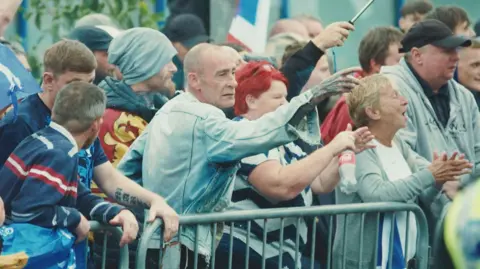
Sometimes we could see them looking from behind drawn blinds, as shouts of “Send them home! Deport them!” echoed through the streets.
The facility was previously a preferred location for events, milestones and birthday parties.
Minimal consultation was provided or dialogue held with the residents that up to numerous individuals were going to be housed here in the past.
“There’s a feeling that something is being forced upon them from a great height by individuals who neither know nor care what the effect is going to be.”
All the financial outlays of sheltering asylum seekers in hotels, about 2.1 billion pounds a year across the United Kingdom, are met by the authorities.
A community representative said no asylum seeker was given preference over anyone else.
But it’s not just demand on services which has got residents out on the public spaces. There is fear, too.
Previous hotel occupant Sadeq Nikzad, from Afghanistan, was jailed in the summer for the crime of a underage local female.
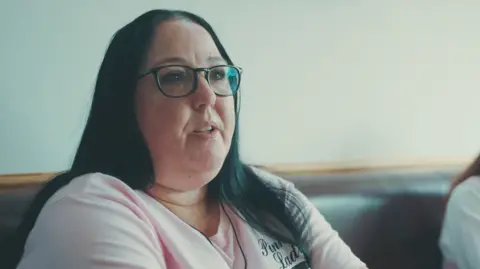
“It hurt deeply to know that that individual’s life was damaged.”
“We ought not be moving around in terror,” she continued.
In recent times, the period of Nikzad’s act, there were 82 incidents of rape or attempted rape in the area.
Law enforcement states it does not maintain information specifying whether perpetrators are refugees or not.
From publications, it appears an incident was perpetrated by an individual that time – by the perpetrator.
“Local individuals do this too, but the fact is that the boats are still coming. They [the asylum seekers] have a alternative viewpoint.”


